Was this helpful?
Thumbs UP Thumbs Down

Starbucks is closing stores and cutting 900 jobs

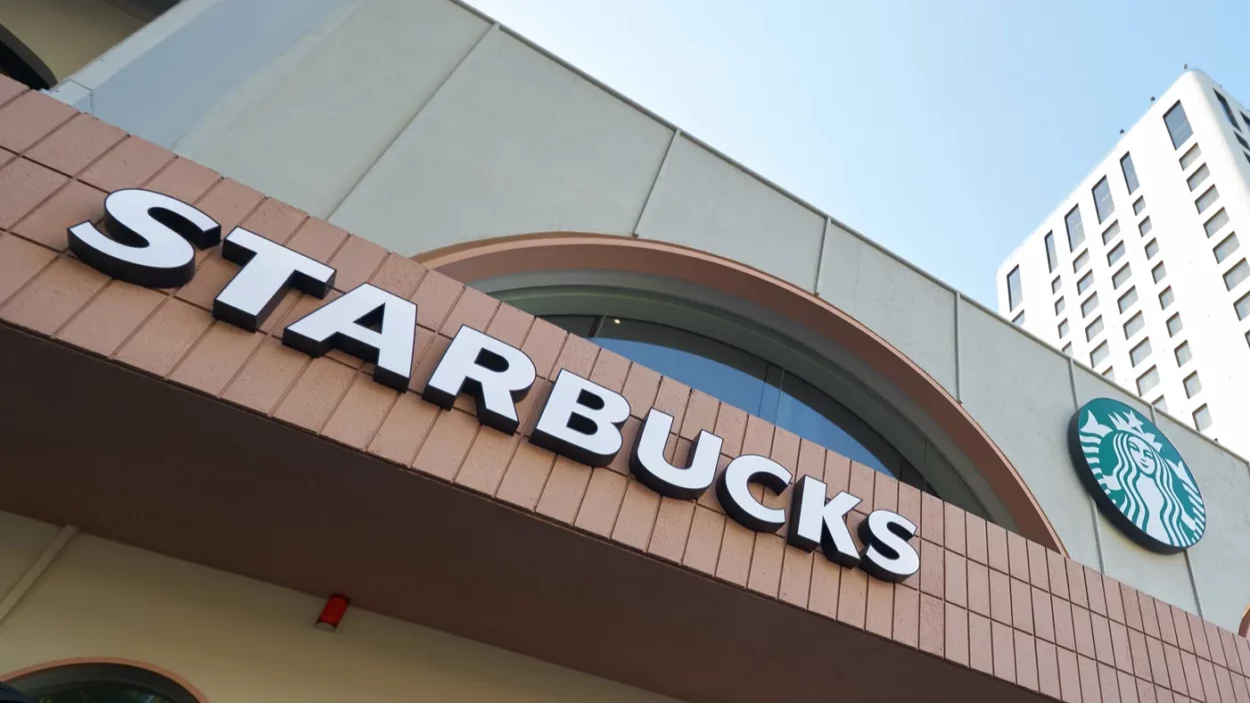
Starbucks sign and store around motorway express. Starbuck chain of coffee shops, founded in Seattle.
Starbucks logo in Calgary, Alberta.

Starbucks is reshaping its business in 2025

Starbucks has launched a one-billion-dollar restructuring plan aimed at revitalizing its coffee empire. The plan addresses changing consumer habits, rising competition, and underperforming locations. While some stores will close, others will be refreshed or relocated to better meet customer needs.

Corporate roles are also being reduced to streamline decision-making. These changes will affect employees, communities, and customers, but Starbucks says its goal is a stronger, more focused company.

Big amount of American USD hundred dollar bills banknotes close up.

The $1 billion restructuring plan

CEO Brian Niccol, who took the role on September 9, 2024, announced a $1 billion plan to modernize operations. This includes closing underperforming stores, eliminating 900 corporate jobs, and reinvesting heavily in store renovations and customer experience.

The plan is designed to reverse slowing sales and reposition Starbucks for long-term growth. Management says the focus will be on coffee quality, simpler menus, and faster service, all supported by leaner corporate structures.

Starbucks coffee in shopping mall in Bangkok closed during COVID-19 situation.

Store closures details

Starbucks expects to close roughly one percent of its North American stores — about 400 to 500 locations. These include a mix of company-operated cafés and some mobile order or pick-up only formats.

The company says closures will mainly affect underperforming sites. At the same time, Starbucks will continue opening new locations in higher-growth areas, so the net reduction in stores should be limited by the end of fiscal 2025.

Jobs? green road sign against dramatic sky.

Job cuts

Alongside store closures, Starbucks is eliminating around 900 non-retail corporate positions. These cuts target back-office and support roles to streamline operations and cut costs.

Starbucks says it will offer severance packages, extended benefits, and job placement support to affected employees. Some workers may be able to transfer to nearby locations. This downsizing marks one of the company’s largest workforce reductions in recent years, reflecting a major shift in strategy.

Competition note pinned on the bulletin board

Reasons for store closures

Many closures focus on stores with weak financial returns or those unable to meet customer and partner expectations. Starbucks cited shifting consumer behavior, more competition, and rising costs as factors.

Some locations that thrived before 2020 have seen traffic drop sharply. By closing these stores, Starbucks aims to focus resources on stronger markets, improve operations, and create a better experience for both employees and customers.

A Starbucks store inside of a Target store is closed due to the COVID-19 Coronavirus pandemic.

Impact of the pandemic

Even years after COVID-19 lockdowns, Starbucks is still feeling the effects. Fewer workers commute daily to downtown areas, hurting sales at urban stores. Consumer habits have shifted toward drive-thru and suburban locations.

Starbucks’ restructuring acknowledges this new reality by reducing its footprint in underperforming markets and investing more in areas where customers now live, work, and spend time rather than where they used to pre-pandemic.

Starbucks cafe interior in Samara shopping center Kosmoport.

Focus on store experience

Starbucks plans to invest in redesigning and upgrading more than 1,000 existing stores over the next year. Improvements will include warmer décor, more comfortable seating, and faster service technology.

By enhancing the café experience, the company hopes to make its stores community gathering spots again. The upgrades are meant to offset the impact of closures and to reassure customers that Starbucks remains committed to quality coffee and ambiance.

Starbucks sign over coffee shop entrance in Ho Chi Minh City.

Changes in store formats

One visible change will be a retreat from some mobile-order and pick-up-only stores. Starbucks says it will convert selected locations back to traditional cafés with seating to encourage in-person connections.

This shift reflects a renewed emphasis on human interaction, which was a core part of Starbucks’ early success. It also signals that the company wants to rebuild the “third place” feel between home and work.

New one Hundred Dollar Bills stack background.

Financial impact

The total restructuring cost is estimated at one billion dollars. Around 150 million dollars will go toward employee separation expenses such as severance and benefits. About 850 million dollars will cover store closures, lease exits, and related costs.

While significant, Starbucks views this as an investment in its future. The company expects the changes to improve profitability and strengthen its competitive position in the crowded coffee market.

Starbucks cafe interior.

Starbucks workforce and store numbers

Starbucks expects to finish FY2025 with nearly 18,300 total locations (company-operated and licensed) across the U.S. and Canada, down from 18,734 at the end of Q3 FY2025. This is still a vast footprint and leaves room for future growth.

The company says it plans to resume growth in FY2026, opening new locations while maintaining its focus on coffee quality and customer experience.

Starbucks sign and store around motorway express. Starbuck chain of coffee shops, founded in Seattle.

CEO Brian Niccol’s vision

Brian Niccol, known for leading successful turnarounds at Chipotle, joined Starbucks to refresh the brand. His strategy emphasizes going back to basics with high-quality coffee, simpler menus, and faster, friendlier service.

By cutting corporate layers and refocusing resources, he aims to revive the company’s original mission while adapting to today’s market. Niccol has positioned this restructuring as a hard but necessary step to secure Starbucks’ future.

Staff at Starbucks in Moscow, Russia.

What this means for employees

For employees, the changes are significant. Starbucks says it provided advance notification of layoffs and is offering severance packages, extended healthcare benefits, and career support. Where possible, workers at closing stores can transfer to nearby locations.

The company says it values its “partners” and wants to ease transitions during this period. Still, the restructuring marks a painful moment for many who built careers with Starbucks. Also, check out Cracker Barrel insiders share their most loved dishes.

Starbucks cafe interior.

Customer impact and reaction

Customers will see some stores disappear from their neighborhoods, particularly in areas with multiple Starbucks locations. While this may disappoint local fans, Starbucks stresses it is reinvesting in remaining stores to make them more welcoming and efficient.

The company wants to keep its cafés as community hubs even as it trims its footprint, much like how you’ve never heard of these fast food chains (but they’re iconic overseas).

How do you feel about Starbucks closing stores and reducing staff? Do you think this will affect your local café experience?

Read more from this brand:

If you liked this article, you’ll LOVE our free email newsletter.

This slideshow was made with AI assistance and human editing.

Was this helpful?
Thumbs UP Thumbs Down
Prev Next
Share this post

Send feedback to Yum Fryer


    We appreciate you taking the time to share your feedback about this page with us.

    Whether it's praise for something good, or ideas to improve something that isn't quite right, we're excited to hear from you.